
Project PlanningA one-page plan gives a small creative project enough structure to move forward without becoming a document nobody uses. Learn what to include, how to keep it concise, and how to turn the finished page into a useful guide for decisions, feedback and delivery.
Read article · 4 min↗

Project PlanningRework often starts before anyone opens a design file or writes a line of code. Learn how unclear goals, hidden assumptions, vague responsibilities and rushed handoffs create avoidable extra work—and how to plan around them.
Read article · 4 min↗

Project PlanningA group project is easier to manage when its plan reflects everyone’s coursework and exam commitments. Learn how to map busy periods, set milestones, share work fairly and leave time for review.
Read article · 4 min↗

Project PlanningA phased plan creates checkpoints for feedback and adjustment; one final deadline can protect focus when the work is clear and self-contained. Learn how to choose a delivery rhythm that fits your project, collaborators and review process.
Read article · 4 min↗

Project PlanningYou do not need every answer before you begin a digital or creative project. A useful plan can separate confirmed requirements from assumptions, identify the decisions that matter most, and make room for learning before the team commits to detailed work.
Read article · 4 min↗

Project PlanningAcceptance criteria turn a project brief into a shared definition of done. Learn how to write clear, testable criteria, review them with stakeholders, and use them to guide design, development, and delivery.
Read article · 4 min↗

Project PlanningA useful risk plan does not need a complex spreadsheet. Learn how to spot likely disruptions in a creative or digital project, decide which ones deserve attention, and write practical backup actions before work gets stuck.
Read article · 4 min↗
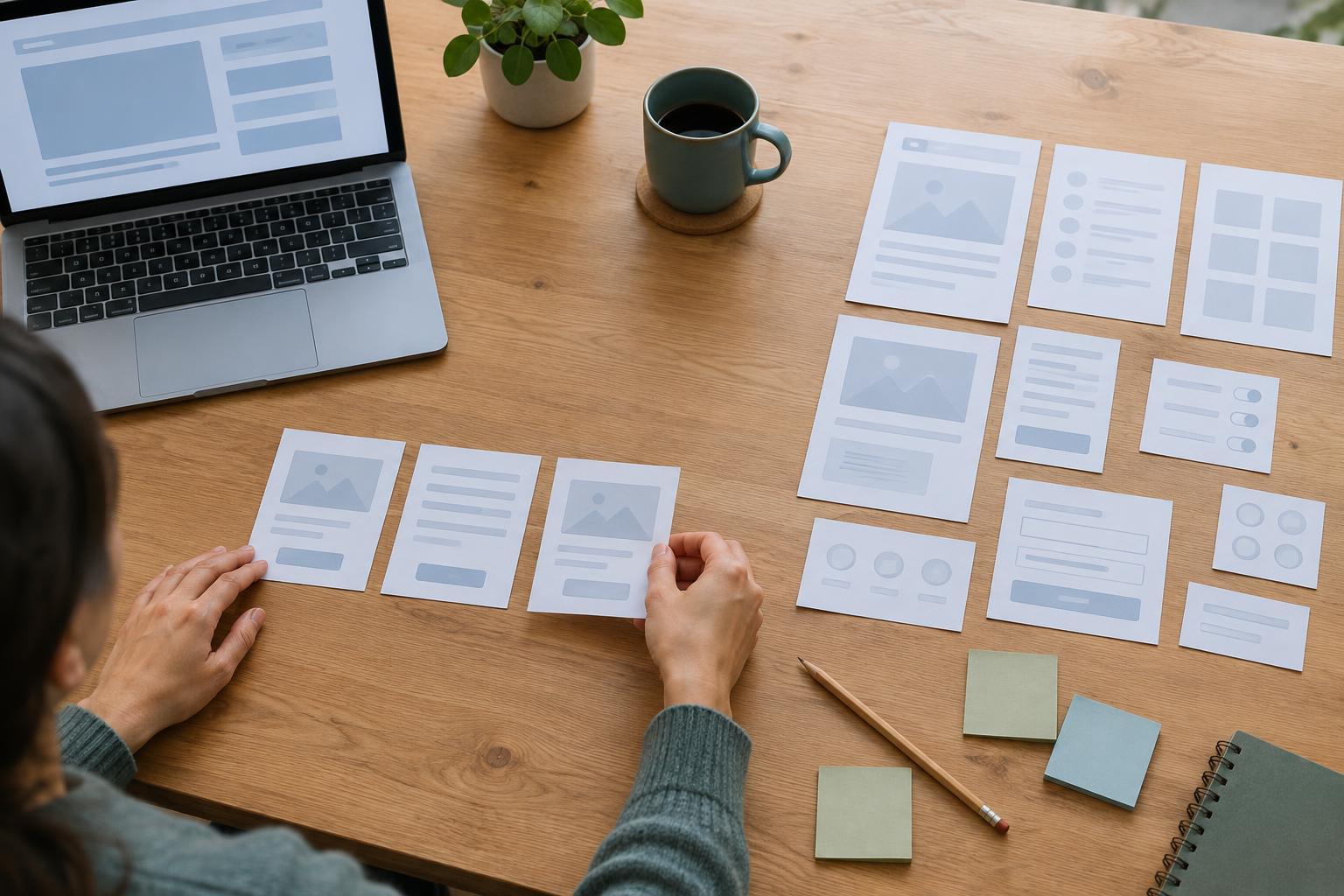
Project PlanningA first release does not have to contain every planned feature, but it does need to work for its intended audience. Use this guide to decide when to launch a focused minimum viable project, when a fuller build is necessary, and how to define a useful release either way.
Read article · 4 min↗

Project PlanningA practical way to decide what belongs in a limited-scope project: define the outcome, separate essentials from enhancements, account for dependencies, and document the tradeoffs before work begins.
Read article · 4 min↗

Project PlanningA useful project budget does more than name a price. It connects the work in the brief to the time, expenses, revisions and delivery steps needed to finish it. This guide shows freelancers how to build a simple estimate, explain it to a client and keep it useful as the project changes.
Read article · 4 min↗

Project PlanningA project can have a clear deadline and still be unable to start if the client has not supplied the content, access or decisions it depends on. Learn how to identify those inputs, request them clearly and build a realistic plan around their arrival.
Read article · 4 min↗
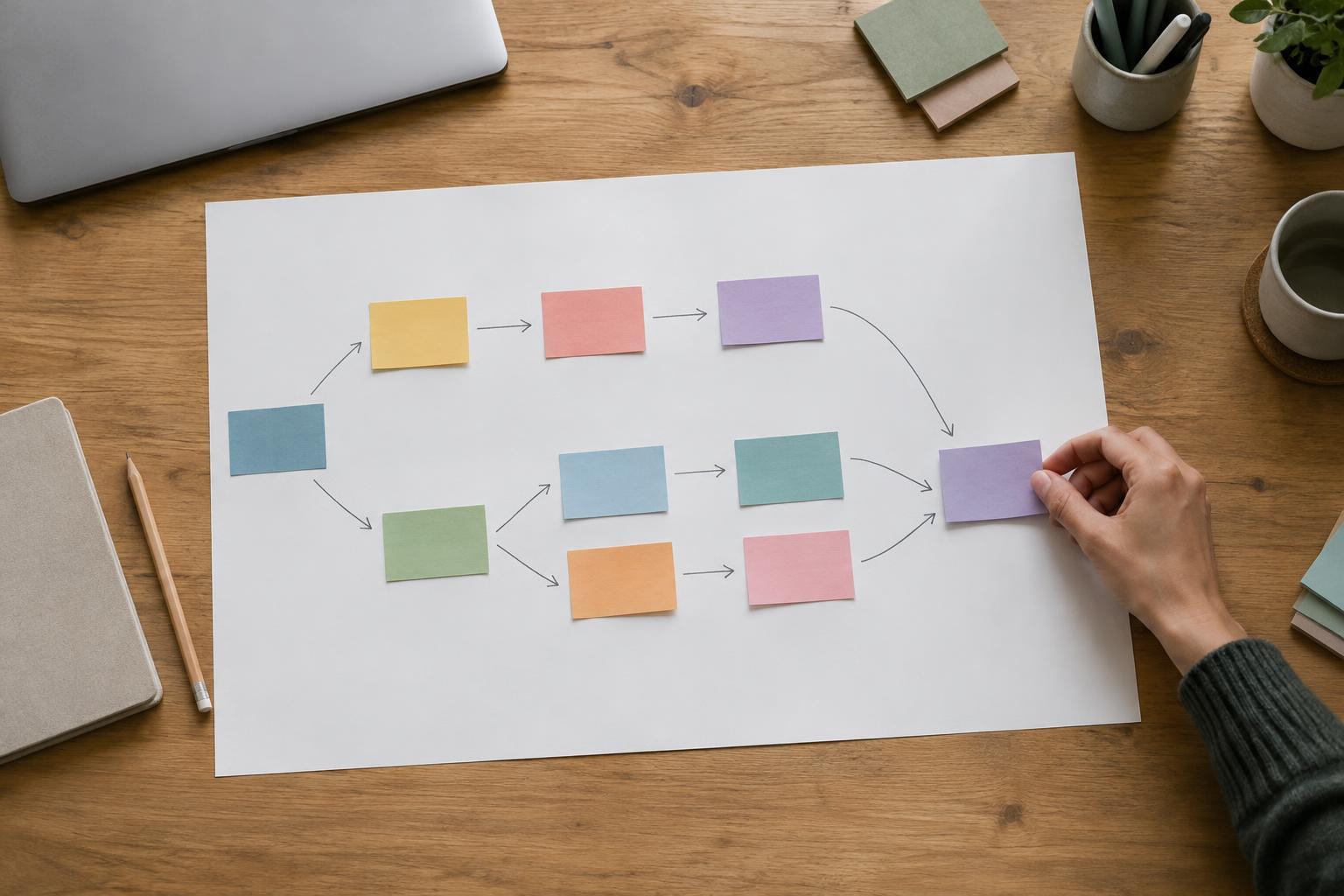
Project PlanningA useful project schedule starts with knowing what must happen before something else can begin. Learn how to map task dependencies, find work that can run in parallel, and turn the map into a realistic plan for a digital or creative project.
Read article · 4 min↗
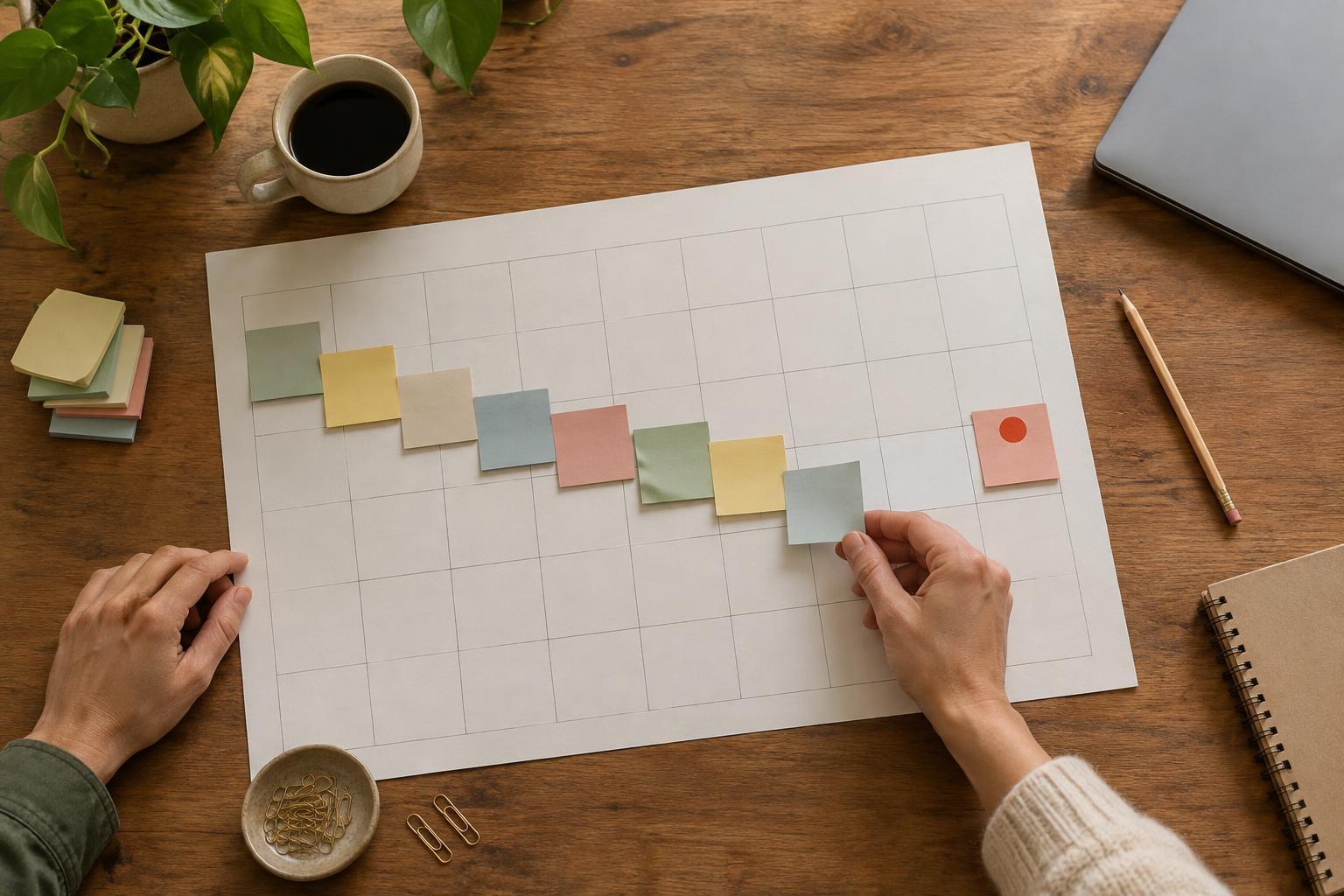
Project PlanningA fixed deadline does not tell you how much work will fit before it. Learn how to work backward from delivery, account for dependencies and review time, and build a timeline you can adjust without losing sight of the final date.
Read article · 4 min↗

Project PlanningCreative work rarely follows a perfectly predictable schedule. A useful estimate makes the work visible, states what is still unknown, and gives collaborators a way to respond when the scope changes. Here is a practical approach for freelancers, students, and small teams.
Read article · 3 min↗

Project PlanningA digital project becomes easier to plan when you turn its goal into clear deliverables, small tasks, and a realistic order of work. This guide shows freelancers, students, and small teams how to build a task list they can use.
Read article · 4 min↗

Project PlanningDeliverables, tasks and milestones answer different questions: what will be produced, what work must happen and which checkpoints show progress. Learn how to separate them and build a clearer plan for a creative or digital project.
Read article · 4 min↗

Project PlanningA useful project brief says more than what you plan to make. It also states what you are not taking on. Learn how to write clear scope boundaries, test them with collaborators and handle new requests without losing sight of the original goal.
Read article · 4 min↗

Project PlanningA useful project goal connects the work to a real need. Learn how to turn a broad idea into a clear outcome, choose practical signs of success, and agree on what the finished project must deliver.
Read article · 4 min↗

Project PlanningA useful discovery conversation goes beyond the deliverable. Ask about the problem, audience, scope, decision-makers, materials, timeline and definition of success before deciding whether a project is a good fit.
Read article · 4 min↗

Project PlanningA creative project brief does not need to be long. It needs to give everyone a shared understanding of the goal, audience, deliverables, constraints and next decisions. Here is a practical way to write one before work begins.
Read article · 4 min↗